“Empowering Leaders, Transforming Organizations

Nitu Walia Kanwar
Master Facilitator

Ekta Kumar
Master Facilitator
Training
Growth Mindset Mastery

- Understand Fixed vs. Growth Mindset
- Impact of Mindset on Learning and Performance
- Embrace Challenges and Overcome Fear of Failure
- Learn from Criticism and Utilize Feedback
Effort as the Path to Mastery
Module 3: Developing a Growth Mindset Culture
- Nurturing a Positive Learning Environment
- Building Resilience
- Goal Setting with a Growth Mindset
- Conflict Resolution and Collaboration
Module 5: Reflection and Integration
- Identify Areas for Personal Growth
- Create a Personalized Growth Plan
- Assessment and Certification
- Final Case Study or Practical Application
- Certification of Completion
- Interactive Workshops
- Group Discussions and Activities
- Case Studies and Real-life Examples
- Personal Reflection Exercises
- Duration: 8-10 sessions (adjustable)
POSH Compliance and Prevention

Module 1: Understanding Sexual Harassment
1.1 Definition and Types of Sexual Harassment
1.2 Legal Framework and Compliance Requirements
Module 2: Recognizing Sexual Harassment
2.1 Identifying Inappropriate Behavior
2.2 Understanding Power Dynamics in Harassment
Module 3: Creating a Safe Workplace
3.1 Role of Employers and Employees
3.2 Developing a POSH Policy
Module 4: Reporting and Investigation
4.1 Reporting Mechanisms and Confidentiality
4.2 Conducting Fair and Impartial Investigations
Module 5: Prevention and Intervention
5.1 Proactive Strategies for Prevention
5.2 Bystander Intervention Techniques
6.1 Consequences of Non-Compliance
6.2 Employer Liability and Due Diligence
Module 7: Creating a Positive Work Culture
7.1 Promoting Inclusivity and Respect
7.2 Fostering a Culture of Open Communication
- Assessment and Certification
- Final Compliance Quiz
Certification of Completion
- Interactive Workshops
- Case Studies and Scenarios
- Role-Playing Exercises
- Legal Compliance Presentations
- Duration: 6-8 sessions (adjustable)
Emotional Intelligence Mastery

Module 1: Introduction to Emotional Intelligence
1.1 Definition and Components of Emotional Intelligence (EI)
1.2 Importance of EI in Personal and Professional Success
2.1 Recognizing and Understanding Emotions
2.2 Identifying Personal Strengths and Weaknesses
3.1 Managing Stress and Emotional Responses
3.2 Developing Impulse Control
4.1 Empathy and Understanding Others’ Emotions
4.2 Cultivating a Diversity and Inclusion Mindset
Module 5: Relationship Management
5.1 Effective Communication Skills
5.2 Conflict Resolution and Building Positive Relationships
Module 6: Applying Emotional Intelligence at Work
6.1 Leadership and EI
6.2 Team Collaboration and Emotional Intelligence
Module 7: Continuous Development of EI
7.1 Strategies for Ongoing Improvement
7.2 Integrating EI into Professional Development Plans
Assessment and Certification
Reflective Exercises and Case Studies
Certification of Completion
- Interactive Workshops
- Group Discussions and Activities
- Role-Playing Scenarios
- Self-Reflection Exercises
- Duration: 6-8 sessions (adjustable)
Personal Branding Mastery

Module 1: Introduction to Personal Branding
1.1 Definition and Significance of Personal Branding
1.2 The Impact of Personal Branding on Career and Opportunities
Module 2: Self-Discovery and Definition
2.1 Identifying Core Values and Passions
2.2 Defining Personal and Professional Goals
Module 3: Crafting Your Personal Brand
3.1 Building a Unique Value Proposition
3.2 Creating a Consistent and Authentic Image
Module 4: Online Presence and Social Media
4.1 Managing and Enhancing Your Online Reputation
4.2 Leveraging Social Media for Personal Branding
Module 5: Networking and Relationship Building
5.1 Building and Nurturing Professional Relationships
5.2 Elevator Pitch and Networking Strategies
Module 6: Effective Communication
6.1 Verbal and Non-Verbal Communication Skills
6.2 Elevating Presentation and Public Speaking Abilities
Module 7: Personal Brand Maintenance
7.1 Adapting to Change and Evolving Trends
7.2 Handling Challenges and Maintaining Authenticity
- Assessment and Certification
- Final Compliance Quiz
Certification of Completion
- Interactive Workshops
- Individual and Group Exercises
- Peer Feedback Sessions
- Personal Branding Action Plan Development
- Duration: 6-8 sessions (adjustable)
Mastering Difficult Communication

Module 1: Understanding Difficult Communication
1.1 Identifying Common Communication Challenges
1.2 Recognizing Emotional Triggers in Communication
Module 2: Self-Awareness in Communication
2.1 Understanding Personal Communication Style
2.2 Managing Emotions and Reactions
Module 3: Active Listening and Empathy
3.1 Importance of Active Listening
3.2 Developing Empathy in Communication
Module 4: Constructive Feedback and Criticism
4.1 Giving and Receiving Constructive Feedback
4.2 Strategies for Providing Criticism Effectively
Module 5: Dealing with Conflict
5.1 Identifying Sources of Conflict
5.2 Conflict Resolution Techniques
Module 6: Non-Verbal Communication
6.1 Understanding Body Language and Tone
6.2 Using Non-Verbal Cues to Enhance Communication
Module 7: Difficult Conversations in Professional Settings
7.1 Navigating Difficult Conversations with Colleagues
7.2 Handling Difficult Communication with Supervisors or Subordinates
Assessment and Certification
Role-Playing Exercises and Case Studies
Certification of Completion
- Interactive Workshops
- Role-Playing Scenarios
- Group Discussions and Activities
- Peer Feedback Sessions
- Duration: 6-8 sessions (adjustable)
Effective Communication Skills

Module 1: Foundations of Communication
1.1 Importance of Effective Communication
1.2 Basic Principles of Clear Communication
Module 2: Verbal Communication
2.1 Clarity and Conciseness in Verbal Expression
2.2 Enhancing Vocabulary and Articulation
Module 3: Non-Verbal Communication
3.1 Understanding Body Language
3.2 Using Gestures and Facial Expressions Effectively
4.1 Importance of Active Listening in Communication
4.2 Techniques for Improving Listening Skills
Module 5: Written Communication
5.1 Crafting Clear and Concise Written Messages
5.2 Professional Email Etiquette
6.1 Structuring Engaging Presentations
6.2 Overcoming Nervousness and Building Confidence
Module 7: Interpersonal Communication
7.1 Building Positive Relationships through Communication
7.2 Handling Difficult Conversations Diplomatically
- Assessment and Certification
- Communication Skills Assessment
- Certification of Completion
- Interactive Workshops
- Role-Playing Exercises
- Group Discussions and Activities
- Presentation Practice Sessions
- Duration: 6-8 sessions (adjustable)
Holistic Wellness and Self-Care
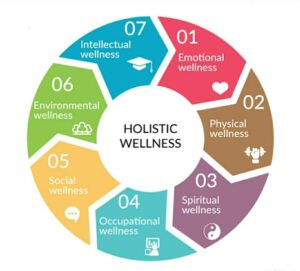
Module 1: Introduction to Holistic Wellness
1.1 Understanding Holistic Health
1.2 The Interconnectedness of Physical, Mental, and Emotional Well-being
2.1 Nutrition and Healthy Eating Habits
2.2 Exercise and Fitness Routines
Module 3: Mental and Emotional Wellness
3.1 Stress Management Techniques
3.2 Building Resilience and Coping Strategies
Module 4: Mind-Body Connection
4.1 Practices such as Meditation and Mindfulness
4.2 Enhancing Emotional Intelligence
5.1 Importance of Quality Sleep
5.2 Establishing Healthy Sleep Hygiene
6.1 Strategies for Achieving Balance
6.2 Time Management and Prioritization
Module 7: Building Healthy Habits
7.1 Goal Setting for Wellness
7.2 Creating a Personalized Wellness Plan
Assessment and Certification
Wellness Reflection Journal
Certification of Completion
- Interactive Workshops
- Guided Meditation and Relaxation Sessions
- Group Discussions and Wellness Challenges
- Personal Wellness Action Plan Development
- Duration: 6-8 sessions (adjustable)
ESG Training Content Outline

Module 1 – What is ESG and ESG Reporting Standards
- Why Corporate Sustainability Reporting?
- What is ESG after all?
- Core Concepts: Materiality and Risk
- Different Reporting Standards (IFRS, GRI, SASB, CDP etc)
Module 2 – ESG Reporting Fundamentals,
- Fundamentals of Reporting- Vision, Mission, Capacity, and Learning Framework (VMCL)
- Difference between Outputs and Outcomes
- How to Design Log frames
Module 3 BRSR deep Dive and Practicum
- Evolution of BRSR/ESG Reporting in India
- BRSR Practicum – Overview, Structure and Guidance on reporting
- Industry examples of BRSR Implementation
Module 4 – Climate Change, ESG and Net Zero
- What are the interlinkages
- India’s Net Zero Commitment
- India’s new policies on Carbon Credits and Green Credits
- Corporate Examples of Net Zero Commitments
Diversity, Equity and Inclusion Content Outline

Module 1 – How is Diversity different from Inclusion
- Types of Diversity
- Unconscious bias and exclusion
- Activity on inclusive behaviours
Module 2 – How is Equity different from Equality
- Understanding equity
- How can we drive equity
- Examples of policies and practices across corporates
Module 3 – Business Case for Diversity, Equity and Inclusion at Workplace
- Tangible and intangible benefits to business
- Examples of corporates and current trends
Module 4 – Diversity and Inclusion in Indian Corporates
- Where are we today
- Women Director on Board
- Way forward
ESG Training Content Outline
Module 1 – What is ESG and ESG Reporting Standards
- Why Corporate Sustainability Reporting?
- What is ESG after all?
- Core Concepts: Materiality and Risk
- Different Reporting Standards (IFRS, GRI, SASB, CDP etc)
Module 2 – ESG Reporting Fundamentals,
- Fundamentals of Reporting- Vision, Mission, Capacity, and Learning Framework (VMCL)
- Difference between Outputs and Outcomes
- How to Design Log frames
Module 3 BRSR deep Dive and Practicum
- Evolution of BRSR/ESG Reporting in India
- BRSR Practicum – Overview, Structure and Guidance on reporting
- Industry examples of BRSR Implementation
Module 4 – Climate Change, ESG and Net Zero
- What are the interlinkages
- India’s Net Zero Commitment
- India’s new policies on Carbon Credits and Green Credits
- Corporate Examples of Net Zero Commitments